
All ventures originate from an idea, but not all entrepreneurs can effectively communicate their ideas to potential investors right away. Some ventures offer a solution to a complex technical problem, while other ventures present innovative solutions for products or even venture models. In case founders take too much time explaining everything, they might lose their audience by the time they get to the key point.
The best founders understand that investors are not looking for the most complicated presentation. They want a clear explanation of the problem, the solution, the market opportunity, and the path to growth. A great startup pitch makes even the most sophisticated idea easy to follow. It also demonstrates that the founder understands how to pitch investors in a way that supports a positive startup evaluation and stands out during deal sourcing.
Communicating complicated concepts confidently is a learned skill that can be acquired. The following are some of the tactics that are used successfully by business owners to communicate their message effectively.
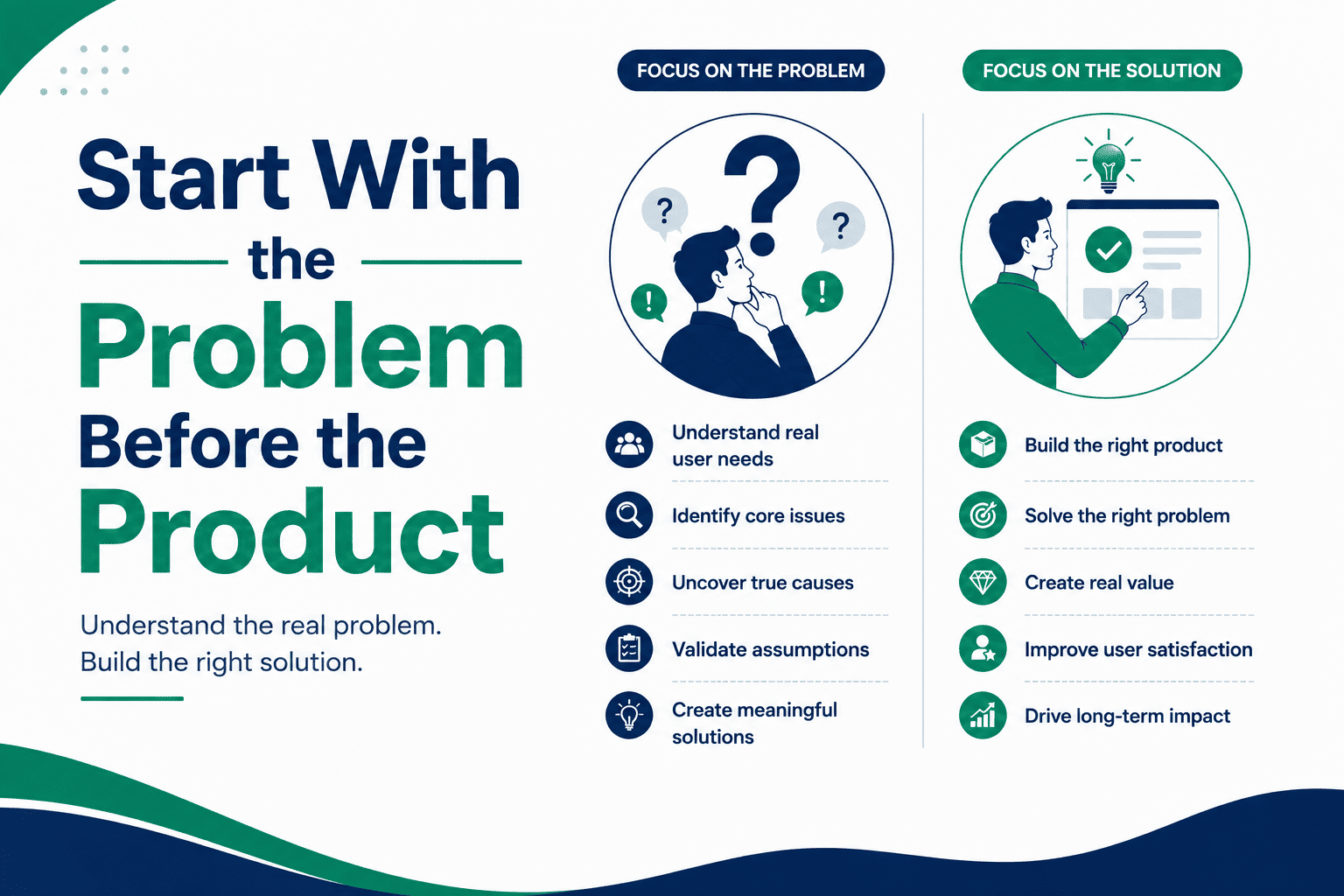
Start With the Problem Before the Product
Many founders are excited to explain how their product works. However, investors first want to understand why the product exists. Begin by describing the challenge your customers face and why current solutions are not enough.
Nonetheless, an investor will have to know why there is a need for the product first. Start by explaining the problem that your customers are facing and how they are inadequately addressed.
A successful startup pitch always connects the business to a meaningful customer need. For entrepreneurs who understand how to pitch to investors, they know that investors invest in solutions to problems, not only in specifications. When evaluating startups, investors usually check if there is a real problem that is big enough for a growth-oriented company. This principle is used when it comes to deal sourcing by investors.
Explain Your Solution in Everyday Language
One of the biggest communication mistakes founders make is relying on industry terms that may not be familiar to everyone in the room. Investors come from different backgrounds, and not all of them specialize in your market.
Write using straightforward language. Envision that you are describing your company to a person who knows about business but doesn’t know much about your business. When it becomes essential to use technical language, be sure to explain it first.
A clear startup pitch builds confidence because investors spend less time decoding complicated explanations. When pitching to investors, one needs to learn how to communicate effectively without compromising on accuracy. Improved communication will improve startup evaluation because investors will have an easy time identifying the value in the business. In deal sourcing, businesses that present themselves well tend to get more attention.
Show the Value Instead of Listing Features
Founders often spend too much time describing product features and not enough time discussing outcomes. Investors are more interested in the value delivered to the consumers than in the workings of the product.
Explain how your solution helps save time, cuts down costs, increases efficiency, or opens up new opportunities for the business. Show your potential customers the results you deliver.
In a startup pitch that is persuasive, there is an emphasis on advantages before technology. Those founders who know how to pitch themselves to the investor link each technology to a benefit for the client. This is important for a better startup assessment because it is clear to the investor what the commercial value of that technology is.
Use Stories That Investors Can Remember
Facts are important, but stories make those facts memorable. Instead of presenting only numbers and charts, describe how a customer experienced the problem before using your product and what changed afterward.
Real examples make complicated ideas easier to understand because they create context. Investors are more likely to remember a customer success story than a detailed technical explanation.
The art of pitching a startup combines storytelling and business statistics. Entrepreneurs that can pitch well utilize stories to explain complex issues while building their credibility. While evaluating a startup, stories make it easier for investors to understand the demand by customers. The use of stories also makes a company more visible when sourcing deals from among several competing startups.
Support Your Message with Reliable Data
A strong story captures attention, but data builds trust. Investors expect founders to support claims with measurable evidence whenever possible.
Share information such as customer growth, recurring revenue, pilot programs, retention rates, partnerships, or market validation. These figures help investors understand that the business is making real progress.
An optimal pitch will balance emotions and facts. People who have the ability to pitch investors well know that each and every one of their key arguments needs to be substantiated with facts. The use of facts increases the quality of the startup valuation process since it eliminates uncertainty and allows for fair comparisons of investment opportunities.
Keep Your Presentation Focused
Explanations for everything can overwhelm the audience. Investors typically have less time, so each component of the presentation should help deliver the message.
Remove unnecessary information that does not directly support your investment opportunity. Focus on the problem, solution, market, business model, traction, financial outlook, and funding requirements.
A focused startup pitch keeps investors engaged from beginning to end. Founders who understand how to pitch investors know that clarity is often more valuable than excessive detail. Concise presentations also improve startup evaluation because investors can quickly identify the company’s strengths. During deal sourcing, focused presentations are easier to compare with other investment opportunities.
Prepare for Questions with Confidence
Investor meetings rarely end when the presentation is over. Questions often reveal just as much about a founder as the presentation itself.
Expect questions about competitors, customer acquisition, pricing, market size, financial projections, risks, and future growth plans. Preparing thoughtful answers demonstrates confidence and a deep understanding of the business.
In order for a business pitch to be comprehensive, it has to comprise both presentation and answers. Entrepreneurs who rehearse their pitch to potential investors realize the fact that each answer must strengthen the investment story as a whole. Preparedness is important since it helps in evaluating a startup because investors develop confidence in the management.

Practice Until Your Message Feels Natural
The best investor presentations rarely happen by chance. Successful founders rehearse repeatedly until they can explain their business clearly without sounding scripted.
Practice helps identify confusing sections, improve transitions, and simplify complicated explanations. Feedback from advisors, mentors, or colleagues can also reveal areas that need improvement before meeting investors.
All well-crafted pitches are a result of preparation behind the scenes. Entrepreneurs who continue to hone their skills in addressing investors build confidence over time. Rehearsal also supports stronger startup evaluation because investors notice founders who communicate with clarity and confidence. It can also lead to better outcomes during deal sourcing, where experienced investors often remember founders who present their ideas effectively.
Conclusion
Presenting a complex business does not require complicated communication. The most successful founders simplify their message without reducing its value. They focus on the customer problem, explain the business in everyday language, support every claim with evidence, and tell stories that investors remember long after the meeting ends.
A great pitch requires clarity, preparation, and confidence. Startups that know how to sell to investors allow investors to see the value in what the startups are selling and evaluate their potential. With continued competition for capital becoming even more intense, clear communication will become even more important for evaluating startups and sourcing deals successfully.

I’m the Co-Founder of Startup Steroid, where I help founders navigate the challenges of building a startup. From connecting with the right investors and talent to guiding marketing, legal, and MVP development, I work alongside entrepreneurs to provide practical support and clarity, helping them grow their ideas into successful, sustainable businesses.