Most first-generation learners view entrepreneurship as an abstract idea. This is because no member of their family has ventured into business or even obtained any finance to set up such a venture. It is here that the role of universities in supporting entrepreneurial endeavors comes into play.
These incubators are not just about office space or funding. They provide direction, guidance, and a sense of belonging; something first-generation entrepreneurs often need the most.
Breaking the Access Barrier
One of the greatest barriers that first-generation entrepreneurs encounter is access; access to networks, mentorship, and funding. Successful entrepreneurs often come from a background where such access is easy. However, first-generation entrepreneurs have to build everything from the ground up.
University startup incubators help close this gap. Such events ensure that experienced mentors, people from the industry, and alumni are available for guidance to the newly minted founders. Exposure to such individuals helps the students gain practical knowledge about how businesses operate.
Instead of navigating the journey alone, first-generation entrepreneurs gain a support system that makes the process less intimidating and more achievable.
Mentorship That Builds Confidence
Confidence is extremely important for entrepreneurs. If there is no family tradition of owning businesses, doubts can easily arise about one’s ability to create something new.
Mentoring is very useful for startup incubators at universities. Feedback from mentors allows students to gain understanding and encouragement. They not only provide tips on how to do things but also instil confidence in students’ own ideas.
With this support over time, the first-time founders will be able to build up their self-confidence to make pitches, conduct negotiations, and manage effectively.
Access to Funding and Financial Guidance
Raising capital is often one of the toughest parts of starting a business, especially for those who lack financial backing or investor connections. First-generation entrepreneurs may not even know where to begin.
This is where university startup incubators really play an important role. Apart from providing seed investment, conducting pitching events, and connecting you with potential angels and venture capitalists, they actually train you in terms of how funding is done, how a pitch deck is made, valuations, etc.
This financial literacy is just as valuable as the funding itself. It ensures that first-generation founders are not only raising money but doing so with confidence and clarity.
Learning by Doing
Entrepreneurship cannot be learned through theory alone. It requires hands-on experience, trial and error, and constant iteration.
The incubators present at universities offer students an opportunity to put themselves to the test. This could be anything from testing a product, assembling a prototype, or even dealing with prospective clients. Students get practical experience without stepping out of the safe confines of their universities.
For entrepreneurs belonging to the first generation, such practical knowledge becomes highly crucial.
Building a Strong Peer Network
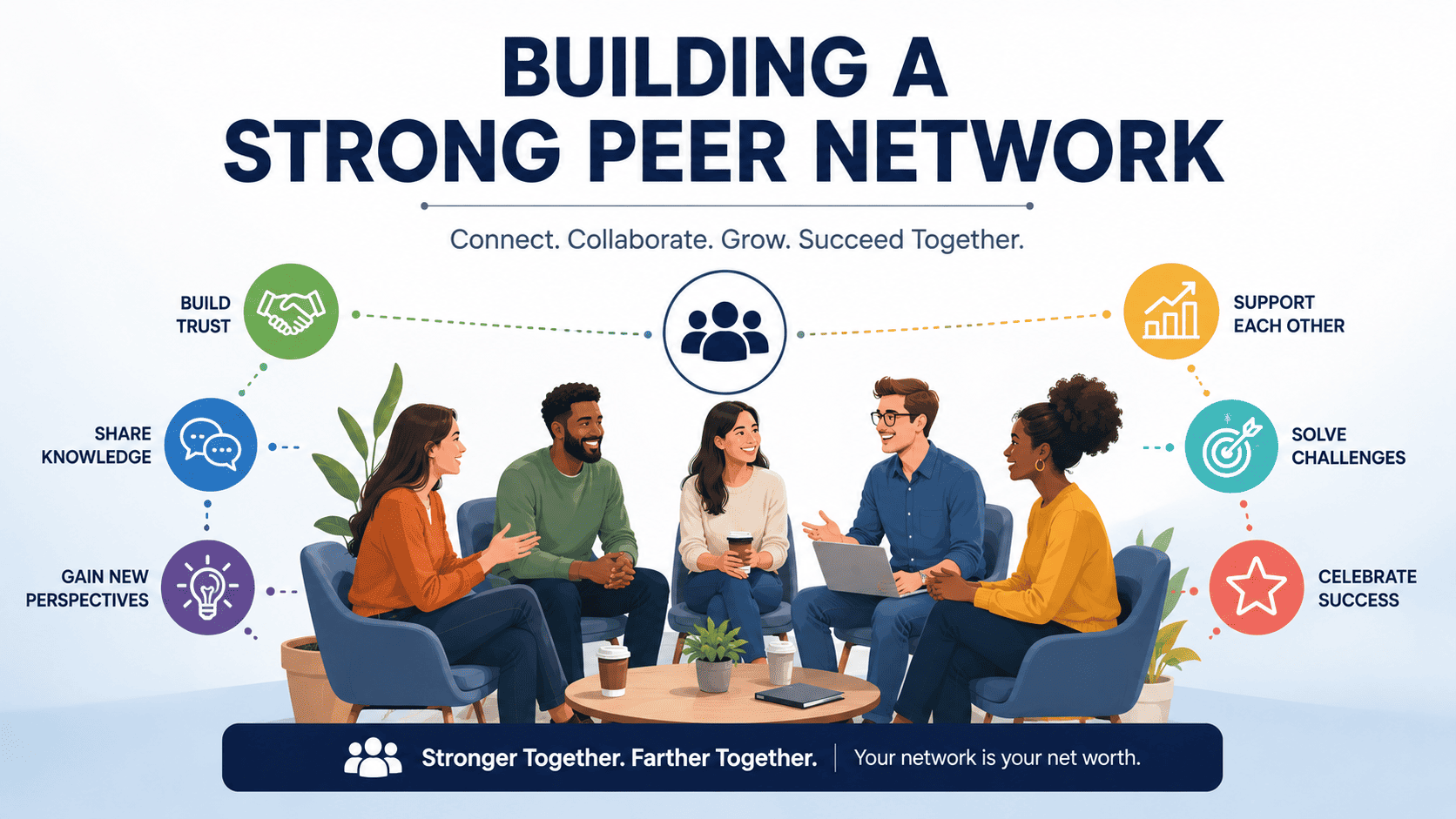
Starting a business can feel isolating, especially when you don’t have people around you who understand the journey. First-generation entrepreneurs often face this challenge more intensely.
Being part of an entrepreneurship program within the university environment ensures that one has a community of peers who have similar interests and are equally committed to their work. There is a high degree of comradery within such a community setting.
Learning from others’ experiences, both positive and negative, and sharing ideas and resources will be beneficial. These kinds of bonds are likely to last beyond graduation day.
Exposure to Real-World Opportunities
Another major advantage of university startup incubators is the exposure they provide. Students get a better understanding of how businesses run through workshops, industry seminars, and guest lectures.
The entrepreneurial experience for members of the first generation can be an educational one as it introduces them to the various markets and the way of conducting business that might otherwise be foreign to them.
This will make it easier for them to comprehend customer expectations and competition within those markets.
Encouraging Inclusive Entrepreneurship
Entrepreneurs from the first generation can offer novel insights and different solutions to problems. Nonetheless, without adequate help, they will not be able to fully utilize their innovations.
The universities also play an important role in the inclusion of entrepreneurship incubators. These programs ensure that each student has equal opportunities, and his talent is acknowledged and nurtured.
Workshops on storytelling, pitching, and leadership help students communicate their ideas effectively. On the other hand, a participatory method in making policies and reaching out to all makes sure that everyone belongs to the entrepreneurial environment.
Preparing for Long-Term Success
Entrepreneurship does not end at startup formation. Building and scaling a venture takes continuous learning and adaptation.
In addition to structured programs, universities help new business people to learn about resilience, problem-solving, and strategizing, which will not be applicable only for the present but will last throughout their entire career.
Even if a startup doesn’t succeed, the experience gained through the incubator becomes a strong foundation for future attempts.
Conclusion
For first-generation entrepreneurs, the road to building a business can be filled with uncertainty. But with the right support, that journey becomes far more manageable.
University incubators for startups not only provide resources but also mentorship and networking opportunities which create a sense of equality. Through eliminating obstacles, instilling self-confidence, and providing practical experience, university incubators help first-generation entrepreneurs realize their dreams.
With each passing day, there will be an increase in the number of success stories emanating from such universities.

I’m the Co-Founder of Startup Steroid, where I help founders navigate the challenges of building a startup. From connecting with the right investors and talent to guiding marketing, legal, and MVP development, I work alongside entrepreneurs to provide practical support and clarity, helping them grow their ideas into successful, sustainable businesses.