The domain of early-stage investment has undergone a significant change due to the emergence of digital revolution, and this change has only become increasingly clear by 2026. Where there once existed an unstructured and laborious process of investing in a company, the whole procedure has developed into something much more methodological and backed by information. The emergence of more innovative startups, along with the increasing presence of angel investors, has made things increasingly complex. More companies are seeking funding; investors have more opportunities to review, and the need for better tools has never been higher.
This has led to a situation where investors and founders move towards using digital tools that make the process easier when it comes to sourcing, screening, and evaluating deals. In this case, automation is used to do some of the repetitive work, whereas intelligent matching algorithms provide better information on companies whose business plans and ideas match those of the investors.
Understanding Angel Investor Deal Flow in 2026
To understand how technology is changing investing, it helps to start with what angel investor deal flow really represents today. In simple terms, dealflow is the set of startup opportunities an investor or angel group reviews before choosing which companies to fund. The quality and consistency of this pipeline determines whether investors see strong ideas or miss out on promising opportunities.
Ten years ago, all deal flow originated from personal contacts. Founders connected with investors at conferences, through referrals, or because of investors’ own professional circles. This was important, but it was hard for investors to rely only on their contacts due to the large number of companies requiring funding. In the current environment, it is almost necessary for investors to have an online system for managing their deal flow and sorting through companies.
This shift has also changed how startups think about visibility. Instead of relying only on pitches or networking events, founders now position themselves on angel platforms where angel investors for startup businesses can easily find them. As more founders embrace these systems, investors receive more structured and well-presented information, resulting in stronger angel investor deal flow overall.
While tools have grown more advanced, the goal remains the same: to give investors access to the best possible opportunities while helping startups reach the right audiences. Technology simply adds clarity and removes friction from the process.
Why Automation Became Essential for Angel Investors
The increasing number of startups that require funds has led to an inability on the part of the investor to check every single investment option manually. Early-stage investments involve frequent checking and analyzing of companies through various documents, financial reports, trends, and the team behind the startup.
This is where automation enters the picture. Automation makes it easier for investors to cope with the redundant tasks they once struggled with. For instance, instead of having to sort emails on their own, the platform automates this task. Documents can no longer be gathered one by one since the automation process brings everything together in one space. Individual investors can no longer be updated separately as all investors receive updates simultaneously.
The reason why these enhancements are important is because they will have an immediate impact on how effectively the angel groups are able to manage their dealflow processes. With automation, angel groups will be able to make faster evaluations and engage in more substantive conversations than ever before.
For founders, automation ensures quicker responses and a more transparent view of where they stand in the process. This creates a healthier and more predictable environment for both sides.

How Intelligent Matching Improves Deal Flow Quality
One of the biggest changes in the world of angel investors and deal flow is intelligent matching. It allows platforms to identify those projects that would interest investors and save them the hassle of combing through many portfolios manually.
These matching systems look at factors like industry, market size, traction stage, location, problem statement, and founder background. They help investors focus on deals that match their values, expertise, or financial strategy. As a result, investors spend less time sorting and more time analyzing.
This new development proves to be especially important for angel investors who are looking for opportunities in sectors like healthcare, climatization technology, real estate, or consumer goods. It will now provide them with relevant offers without having them to go through all of the choices available.
Founders benefit too. With such profiles, there is a high probability of them being noticed by such investors. Instead of making cold calls or filling out countless forms, they only need to sit back and let the platform handle everything else.
This improvement strengthens the entire ecosystem and raises the average quality of angel investor deal flow, benefiting both new investors who need clarity and experienced investors seeking efficiency.
The New Role of Data in Startup Evaluation
The use of data in assessing startups is far more important nowadays compared to what it was a few years ago. Before, investors would depend a lot on gut feelings and conversations. Although gut feeling is still a factor, data can help in making better decisions.
These platforms collect structured information about the founders, which includes the key data regarding growth, customer acquisition, financial projections, market validation, and traction. The information is then formatted in a manner that makes it easily readable by investors who need to compare different ventures at a glance.
This also improves angel group deal flow management, because groups can now look at the same information simultaneously. Everyone sees the same numbers, analysis, and documents, which makes discussions more productive and reduces misunderstandings.
For the founding entrepreneurs, improved data gathering implies that they can prove the effectiveness of their businesses. When the data is organized effectively, their pitch is convincing, and the investors are able to track their success.
Moreover, while the data obtained might not always guide the process, it makes discussions possible and helps spot potential problems sooner rather than later.
Why 2026 Is a Turning Point for Angel Groups
Angel investment groups have been crucial to early-stage investments because they help bring together many people in terms of resources as well as experience. However, in light of the increasing number of deals being offered, angel investment groups have new issues to contend with.
The digital platforms were able to address some of these problems. Instead of managing the entire process using emails and meetings, the groups used special platforms designed specifically for the management of deal flow for angel groups.
Most angel groups that remain active in 2026 will have software capable of supporting automation in the process of workflow creation. Group members will be able to check out the deal according to their own schedule, leave comments on deals, rate them, and have full access to all documents from one source. The time required by administrators for manual scheduling is saved.
This structure also helps angel groups attract more members, because new investors feel confident joining a system that runs smoothly. It also ensures that angel investors for startup businesses can focus on strategic decisions instead of operational tasks.
These improvements have set a new standard for what high-quality angel investor deal flow looks like in 2026.
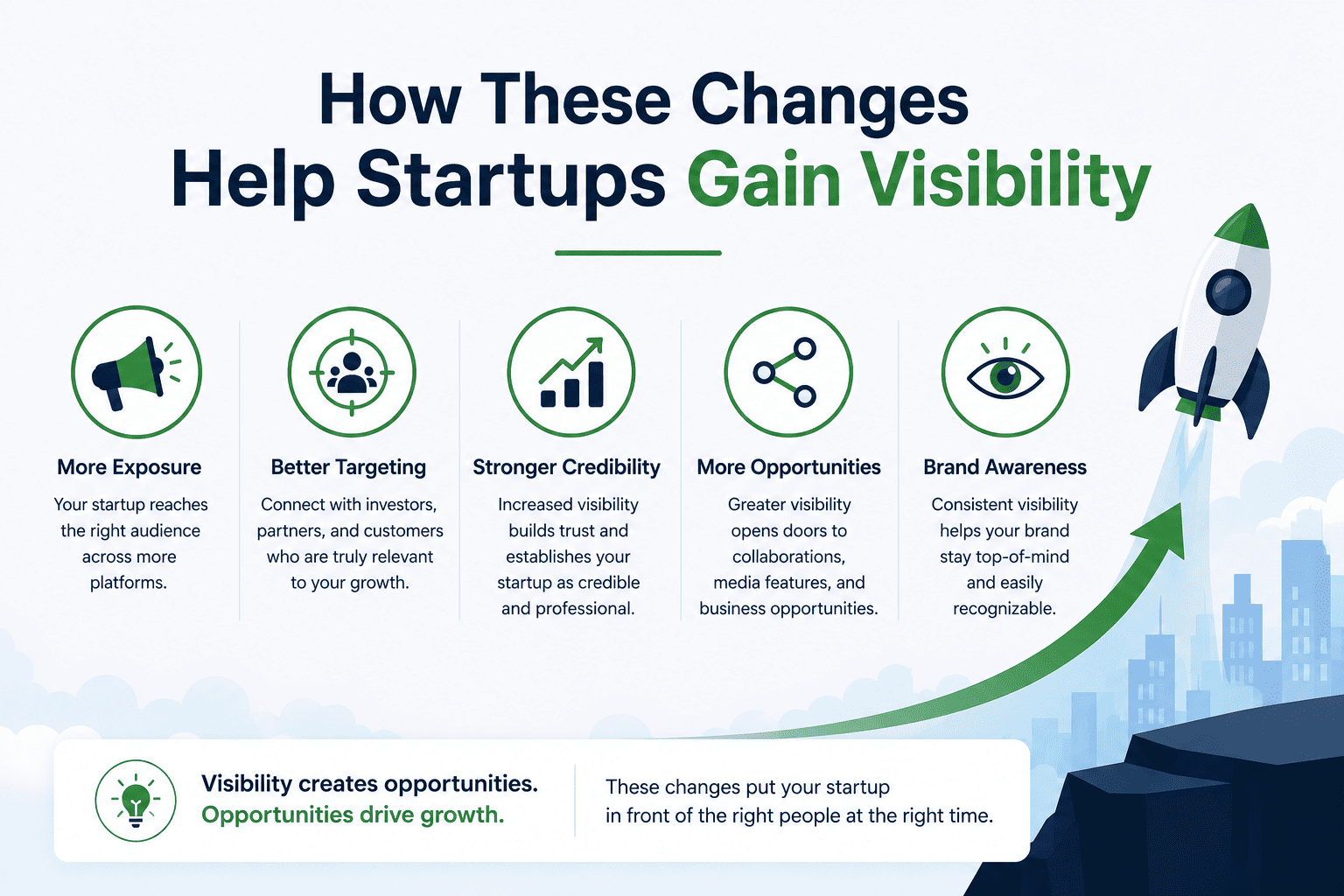
How These Changes Help Startups Gain Visibility
The improvements to dealflow systems were not built only for investors. These are extremely useful for entrepreneurs who usually find it difficult to get their ventures into the spotlight. Visibility was dependent on networking abilities, referrals, and personal branding in the past. However, while these factors may assist entrepreneurs, they are not decisive anymore.
There is provision in digital platforms through which the entrepreneur can place the information once and get replies from various investors. The digital platform assures that the entrepreneurs seeking angel investors for their businesses will easily reach their targeted audience.
With intelligent matching, startups are presented to investors who are actively looking for companies in their sector. With better data structuring, their progress becomes easier to understand and evaluate. With automation, they receive timely updates rather than waiting for inconsistent communication from multiple sources.
New technology enables better interactions between founders and investors. It reduces the risks and increases transparency, enabling founders to focus on running their businesses and not on the uncertain venture capital process.
How Digital Tools Improve Transparency and Communication
Transparency has always been an issue within the ecosystem of start-ups. Investors may be considering multiple investment opportunities simultaneously, and start-ups can often be left wondering how they measure up.
Digital deal flow systems resolve much of this friction by centralizing communication. Rather than mailing out several emails, investors have the ability to use the tools on the platform to request information or to approve certain stages. Entrepreneurs will be able to know when the investors are evaluating their work.
This is advantageous for angel investors since everyone knows the ins and outs of the process. The angel investors know the projects that have been under consideration while the entrepreneurs know where their pitches stand.
Transparency is enhanced for the angel investor groups because it enables the administrators to be aware of all activities of the members. It is possible to see the deals that need more work, the reviewers who lag behind with their duties, and the firms that need documentation.
Overall, improved communication creates healthier relationships and builds trust between investors and startups.
How Investors Can Adapt to the New Deal Flow Landscape
As investing becomes more digital, investors will need new habits to stay effective. With the abundance of possibilities, it becomes imperative to adopt measures that can help streamline management. This entails using systems that will assist in arranging documents, recording corporate news, and fostering collaboration between group members.
Investors should also become comfortable using structured data when evaluating startups. It does not replace instinct but supports more accurate comparisons and reduces the influence of bias. When used properly, data systems can improve the quality of decisions across all stages of angel investor deal flow.
Staying active on startup platforms is also essential. These systems introduce investors to founders they may not meet in person, expanding the range of angel investors for startup business opportunities available.
Finally, investors who participate in angel groups should learn to use tools designed for Angel group dealflow management. These systems help coordinate group activity and ensure that discussions, analysis, and voting remain organized.
Investors who embrace these changes will be better positioned to benefit from the evolving ecosystem.
How Startups Can Prepare for the Evolving Deal Flow Process
Entrepreneurs will have to adapt too. With increasing numbers of investors using technology, entrepreneurs will have to be able to explain their ventures effectively. To do this, they will first have to prepare clear documentation.
It is important that startups have an updated profile when creating accounts on these sites. It is better to give investors enough information because they have to deal with many angels at one time, so they need all the information to make decisions.
Founders should also track investor interests actively. Many platforms show which types of businesses specific investors prefer. This allows startups to tailor their outreach and increase their chances of being matched with the right angel investors for startup business.
Engaging regularly with the platform, updating metrics, uploading new milestones, and responding promptly, also improves visibility. Many systems reward active profiles by displaying them more frequently to investors.
Finally, founders should respect the structure of Angel group deal flow management systems. If a group requests specific documents or information, providing it quickly helps maintain momentum.
The startups that thrive in 2026 will be the ones who combine strong execution with clear communication and organized presentation.
The Future of Angel Investor Deal Flow Beyond 2026
Looking ahead, the improvements currently underway represent only the beginning. The deal flow process will become ever more efficient, open, and information driven. Platforms will move from being organizational in nature to becoming more predictive in helping investors spot trends and opportunities more quickly.
We can expect dealflow platforms to integrate more deeply with other startup tools, from product analytics to financial dashboards, creating a unified picture of each company’s progress. This will raise the quality of angel investor deal flow even further.
The angel groups will be improving their internal systems using technology that facilitates voting procedures, due diligence systems, and training programs for new members. The angel group deal flow system will therefore improve, and membership of the groups will not be limited to only experienced investors.
For founders, visibility will continue improving as platforms adopt better discovery features. Founders looking for angel investors for startup business opportunities will be able to rely on systems that understand their industry and connect them with the right investors more accurately.
Future holds promise for a better system of early-stage funding where technology would help establish partnerships and make decisions easier.
Conclusion
The evolution of deal flow in 2026 is redefining the interactions between investors and founders in the process of funding a start-up business. The automation process is making investors’ lives easier by dealing with administrative activities. Intelligent matching helps ensure that opportunities reach those who are most aligned with them. Better data systems create more clarity and reduce guesswork.
These changes improve every aspect of angel investor deal flow, strengthen angel group deal flow management, and create better conditions for angel investors for startup business opportunities. As the ecosystem evolves, those who embrace these digital tools will be best positioned to succeed.
The future of angel investing is not about replacing human insight; it is about enhancing it with clarity, structure, and efficiency. And in that future, both investors and founders will find smoother paths toward successful partnerships.
FAQs
- How is automation changing the way investors interpret early-stage market signals?
The process of automation enables the capturing of trends not just within individual sectors but also based on the founders’ background and their traction metrics. Investors are able to understand what is happening through automated analysis and avoid having to conduct the analysis themselves, thereby enabling them to identify new categories much sooner.
- Why are digital tools becoming essential for angel investors for startup business decisions?
It has become increasingly difficult to find suitable startups. Thanks to digital technologies, the process of filtering, categorizing, and comparing opportunities is becoming easier, thus giving angels more time to communicate with founders and evaluate their opportunities.
- How do intelligent matching algorithms affect investor bias in the sourcing stage?
The employment of algorithms assists in offsetting the consequences of bias as it places emphasis on the objective elements of the match, including fit, traction, and stage. The result is a more consistent process at the time of initial analysis-driven evaluation.
- What operational challenges do investors face without angel group deal flow management systems?
With no centralized tracking systems, investors face challenges because of the following reasons: lack of communication, duplication of evaluation process, and lack of follow up. A well-coordinated angel group deal flow management system is one that ensures good decision-making processes.
- In what ways is automation improving founder–investor matching accuracy?
These automated tools perform analysis on the data of the founders, the roadmaps of the products, and the business models in accordance with the investment preferences. This greatly increases the matching efficiency by minimizing mismatching and ensuring better angel investor dealflow pipelines.
- How does automation help investors maintain discipline during high-volume deal cycles?
In view of the need for capital by most start-ups, it becomes very easy for people to become confused. The use of automation, such as reminders and checking milestones, can be useful in coming up with set criteria when analyzing different startups.
- What role does predictive analytics play in the next generation of angel investing?
Predictive analytics uses historical performance patterns to estimate potential future outcomes. The investors would get an idea about scalability, marketability, and efficient use of capital, which would enable them to put more effort on the transactions being facilitated by the angel network.
- How can automation enhance collaboration inside angel networks?
The process of automating helps bring everything regarding discussion, diligence information, and reasons for investments under one roof, which further enables the whole team to collaborate despite not being present in person. It is effective for decision making and building angels.

I’m the Co-Founder of Startup Steroid, where I help founders navigate the challenges of building a startup. From connecting with the right investors and talent to guiding marketing, legal, and MVP development, I work alongside entrepreneurs to provide practical support and clarity, helping them grow their ideas into successful, sustainable businesses.