A successful funding round is an important milestone for any startup. This is because the funds raised provide the company with the much-needed money to expand its operations. Nevertheless, fund raising should not be viewed as the end game. Rather, it should be seen as the start of a long-term relationship between entrepreneurs and their investors.
That is why post-investment monitoring plays an important role in all such activities. The investors need to know how their money is being spent and if the company is moving in the right direction as promised at the time of fundraising. For the entrepreneurs, a clear post-investment monitoring process helps build transparency and trust among investors.
Understanding Post Investment Monitoring
Post-investment review means the continuous process of assessing the performance of the startup firm following the investment. Post investment reviews include assessments of objectives, performance, milestones, and priorities of the startup business while regularly updating investors with important developments.
Instead of viewing investor communication as a periodic activity, it is recommended that startups incorporate post-investment monitoring into their core activities. Reporting helps to inform the investors about the performance of the company while enabling the founders to show the progress towards their goals.
An organized approach also helps identify potential issues early, making it easier to address challenges before they become larger problems.
Why It Matters Beyond Investor Updates
A lot of founders consider updating investors to be a matter of sharing some numbers on a quarterly basis. However, post-investment monitoring is about much more than that. It creates credibility and transparency for all parties involved.
It’s good to know not only about what’s going well in the company but also about any problems that exist. This helps create trust which will then lead to greater cooperation in the future. Knowing the business inside and out will allow them to provide introductions and strategic help.
For startups planning another funding round, consistent post-investment monitoring also creates a documented history of growth. Instead of gathering months of information at the last minute, founders already have organized reports that demonstrate business performance over time.
Set Reporting Expectations from the Beginning
A simple way of ensuring that post-investment monitoring is effective is by setting expectations for reporting immediately following the closure of the deal.
This will involve talking about how often updates need to happen, what sort of information needs to be provided, and how it will be done. Some investors will want monthly reports while others will need quarterly reports or meetings.
It will be good to create a reporting schedule at the beginning so that there is no misunderstanding between the two parties.
Focus on Business Metrics That Reflect Growth
An effective post-investment monitoring process should focus on metrics that clearly demonstrate business performance. Investors are generally more interested in meaningful trends than large amounts of raw data.
These include revenue growth, acquisition and retention rates, operating costs, cash runway, product development achievements, and recruitment success. Looking at past performance relative to the present helps to put things in perspective and determine if the company is on the right track.
It is best not to bombard your investors with complex spreadsheet data but to provide highlights of the key figures and their significance.
Communicate Challenges with Confidence
Every startup encounters setbacks. Market conditions change, customer demand fluctuates, hiring takes longer than expected, and product launches may face delays. These situations are a normal part of building a company.
Successful post-investment monitoring does not focus only on positive developments. Investors generally appreciate founders who openly discuss challenges while presenting a realistic plan for addressing them.
For instance, in case of reduced growth in revenues, give the reasons behind the situation, the corrective measures in place, and when they expect improvements.
Founders who communicate openly often receive valuable advice that helps solve problems more quickly.
Create Consistent and Easy-to-Read Investor Reports
Consistency is one of the most important aspects of post-investment monitoring. Investors should become familiar with the format of each update so they can quickly review company performance without searching through lengthy documents.
An example of an investor update would contain information on the achievements made recently by the firm, financial success, operational success, priorities of the firm, and future goals.
Short, focused reports are often more effective than detailed presentations filled with unnecessary information. Investors appreciate updates that respect their time while still providing meaningful insights into the company’s progress.
Keep Internal Records Organized
Every successful post-investment monitoring process is built on solid documentation processes. Good documentation not only makes reporting easier but also saves time spent preparing reports for investors.
All financial documents, minutes of meetings, changes in the cap table, customer statistics, sales data, and operational reports should be kept in one place. With good documentation, it will be easy for the founders to respond to investor queries and prepare for audits or new funding rounds.
Good documentation also supports better internal decision-making because leadership teams always have access to reliable business information.
Make Investor Feedback Part of the Process
One of the greatest advantages of post-investment monitoring is the opportunity to receive guidance from experienced investors. Many investors have helped multiple startups overcome similar challenges and can offer valuable perspectives.
Instead of using investor memos as one-way communication, founders should make it into a dialogue. Asking smart questions related to hiring, expanding the market reach, customer acquisition, or raising money is likely to result in a useful conversation for the company.
If founders take investor advice into account and revisit old conversations, they will be able to develop strong relations with investors.
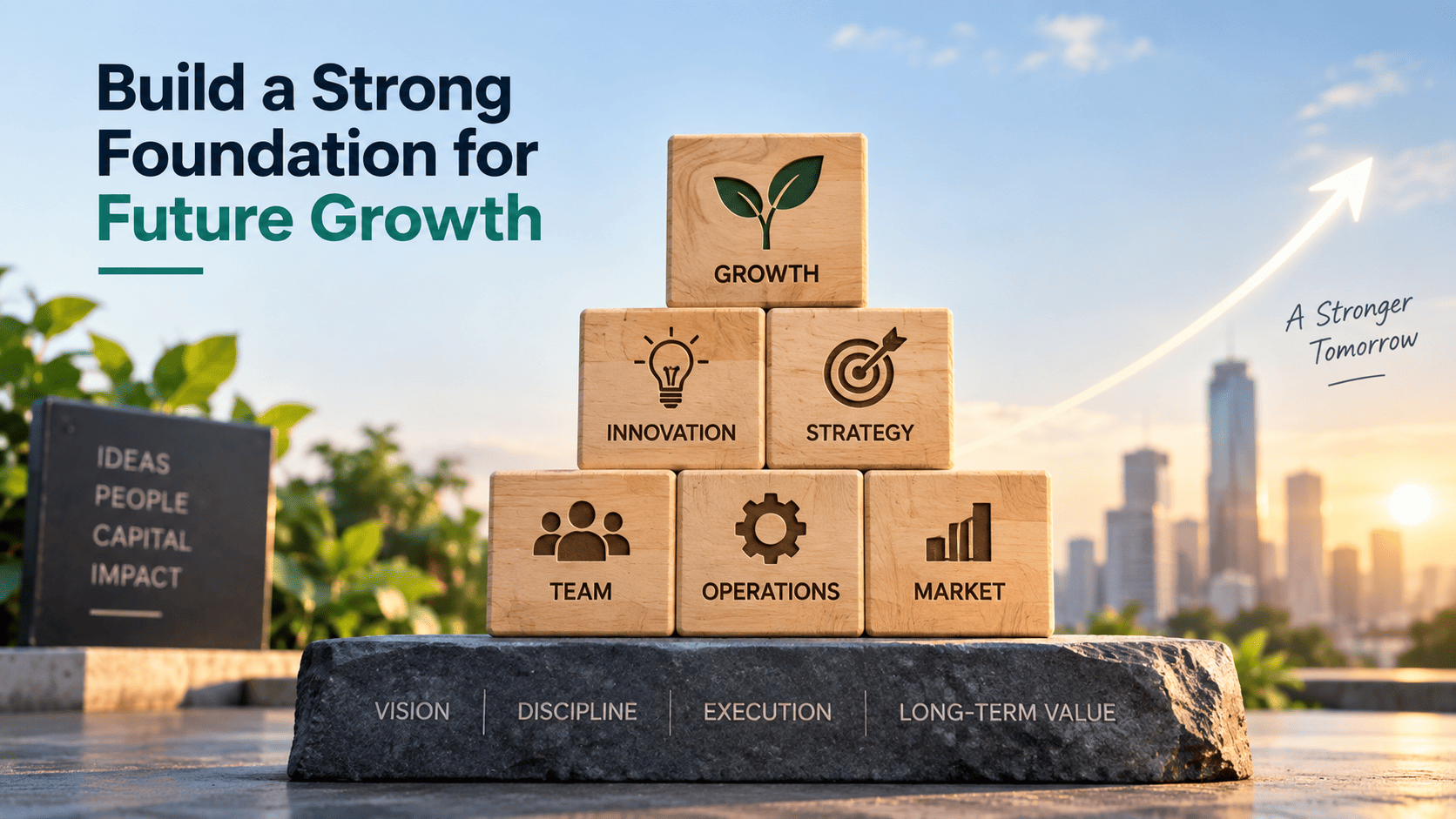
Build a Strong Foundation for Future Growth
Well-managed post-investment monitoring can give many advantages going far beyond reporting. As start-ups grow, they become interested in obtaining further financing or making acquisitions. The presence of a solid history of updates for investors will facilitate these processes greatly.
It will be easier for potential investors to be confident in your project if they see that you provide regular and organized reports showing progress in your work and execution. Also, existing investors will be willing to invest again if they were regularly kept updated on the company’s progress.
By treating post investment monitoring as an ongoing business practice rather than an administrative obligation, startups create stronger investor relationships and improve their long-term credibility.
Conclusion
Getting investment may be seen as an achievement, but keeping investors interested is another process that needs to be taken care of. The approach towards post-investment monitoring will enable founders to do so.
By setting reporting expectations early, tracking meaningful business metrics, sharing both successes and challenges, maintaining organized documentation, and welcoming investor feedback, startups can make post-investment monitoring an integral part of their growth strategy. Companies that prioritize transparency and consistency are better positioned to earn investor trust, attract future capital, and achieve sustainable long-term success.

I’m the Co-Founder of Startup Steroid, where I help founders navigate the challenges of building a startup. From connecting with the right investors and talent to guiding marketing, legal, and MVP development, I work alongside entrepreneurs to provide practical support and clarity, helping them grow their ideas into successful, sustainable businesses.