Joining a startup accelerator and graduating from one are two equally defining moments in an entrepreneur’s journey. The program gives structure, guidance, mentorship, and access to a powerful community. Yet the period after graduation demands renewed intention, independent decision-making, and stronger leadership. Understanding both sides of the journey helps founders prepare better, grow faster, and navigate challenges with clarity.
Together, this guide will take you through what happens after being accepted into a startup accelerator incubator as well as provide a successful transition after leaving the program. If this is your first startup experience or a move into a new area after finishing a program, this information will provide insight into keeping things in perspective and pushing forward.
What Happens When a Founder Joins a Startup Accelerator Incubator Program?
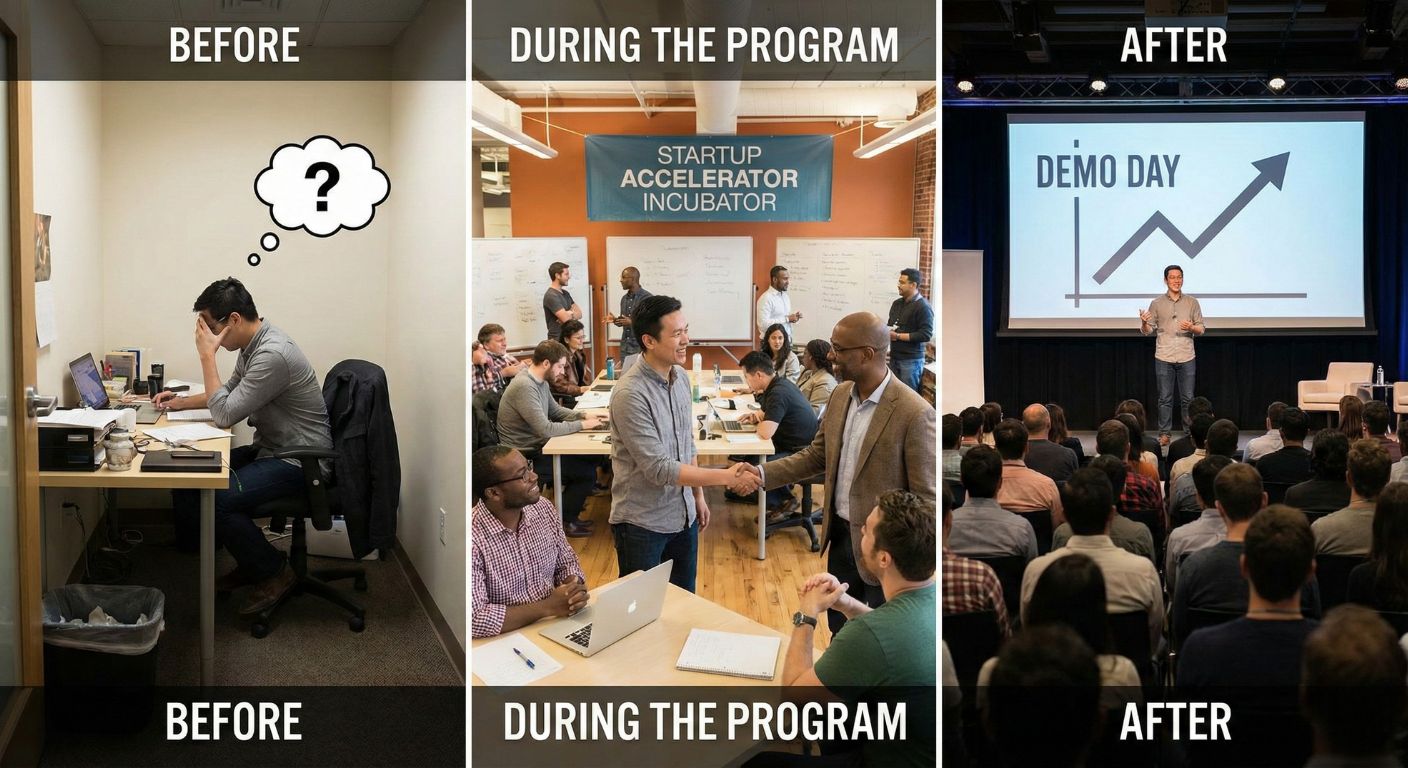
Joining a startup accelerator or incubator can be the turning point that reshapes the trajectory of your company. It is more than a work space or seed capital. Inherently, it is a setting that is meant to encourage and push you towards improving your vision for business.
As soon as you are accepted, you are launched on to a structured platform which revolves around weekly sessions, milestones, and directed sprint sessions. All things that take place within a startup accelerator/incubator have a set plan for you to accelerate your pace of progress. You are then exposed to workshops, pitching sessions, as well as strategy analysis sessions which promote testing and decision making on an accelerated timeline. The pace is accelerated as you aim to condense learning that could span months within a greatly reduced time frame.
With you throughout your journey is mentorship from industry leaders who have actually founded companies. They guide you on perfecting your positioning, your approach, and even blind spots that you yourself have not caught before. Their insights come from real experience rather than theoretical advice, which makes mentorship one of the most valuable aspects of joining a startup accelerator or incubator.
Another major focus of the program is product and market fit. You spend countless hours talking to customers, testing prototypes, and validating ideas. The program pushes you to rely on user data rather than assumptions. This constant iteration often becomes the difference between a product that simply exists and one that effectively connects with a market.
Within the incubator of a startup accelerator, there is also access to an influential network that reaches beyond the program. You get to meet founders, startups from previous classes, investors, and industry contacts who may go on to work with your startup as your partner or investor. Startups find partners or get investments from connections made during this program.
As you approach Demo Day, the environment becomes even more focused. You practice your pitch, tighten your narrative, and get ready to answer some really hard questions from investors. Even if fundraising isn’t an immediate goal for you, this process forces deep thinking about your business model, traction, and future plan. This whole experience sharpened clarity and set the stage for long-term growth.
Not everything inside a startup accelerator or incubator feels exciting. You iterate tirelessly, keep revising, and deal with setbacks. You get feedback that pushes you out of your comfort zone. Despite ups and downs, there is energy shared within this cohort which is motivating. Being part of a cohort of other founders breeds accountability by creating an attitude to move faster, stay focused, and help others around them.
As the program ends, it becomes clear that the accelerator is not the finish line. It is the starting point for more demanding work. You graduate with refined skills, new connections, and a stronger direction, but what you do after the program determines how far your startup will ultimately go.
How Should Founders Revisit Their Business Plan After a Startup Accelerator Incubator Program?
After graduating from a startup incubator and/or accelerator program, it is useful to assess and update your business plan with new insight. Perhaps you have researched markets, messaging, or gathered new information. After completing your degree, it becomes your responsibility to ensure that your business plan fits what has been learned.
Ask yourself if your business model still matches the objectives you originally set. Consider whether customer feedback or new market discoveries require adjustments. Revisiting your plan ensures you are moving forward with clarity rather than relying on outdated assumptions.
How Can Founders Maintain Strong Investor Relationships After an Accelerator Program?
Many acceleration and incubation programs culminate with a Demo Day or pitch. It can be good exposure, but the actual value comes from maintaining relationships with investors following the program. Do not wait for the time when you need funding to reach out to them. Send out periodic updates that reflect your progress, insights, and milestones. This will help you maintain yourself at the top of their minds, helping you lay the groundwork for future fundraising through building trust.
How Can Founders Keep Mentorship Alive After a Startup Accelerator Incubator Program?
Mentorship remains one of the greatest benefits of being part of a startup accelerator or incubator. After graduating, do not let those relationships fade. Mentors appreciate continued engagement, and staying connected ensures you still have access to thoughtful guidance. A short message, a question about a new direction, or an update about your progress can keep the relationship active.
How Should Founders Strengthen Their Team After Completing a Startup Accelerator Incubator Program?
The high-intensity atmosphere of the accelerator can mean that the founder has to handle several tasks simultaneously. Once graduation has occurred, it is important to bolster your team. You need to find areas that need to be worked on and surround yourself with people that can fill your weaknesses. You don’t need to hire full-time people to fill these needs. Instead, part-time specialists and consultants can fill that role. A good team is the key to building a long-lasting business.
How Can Founders Stay Connected With Their Cohort After a Startup Accelerator Incubator Program?
The founders that you will meet in the incubator of a start-up accelerator will form a part of your extended network. This is normally followed by new opportunities that come from working together. When you remain engaged in any of the alumni communities or platforms, then this becomes a great method of gaining from one another’s experiences.
Continuing to Build Visibility
Accelerator programs usually give your startup visibility through events, mentors, and media opportunities. This is where momentum is important to maintain. Keep telling your story through social media, blogs, newsletters, and events in the industry. Consistent visibility builds credibility and brings customers, investors, and partners onboard.
How Can Founders Shift Their Focus to Sustainable Growth After an Accelerator Program?
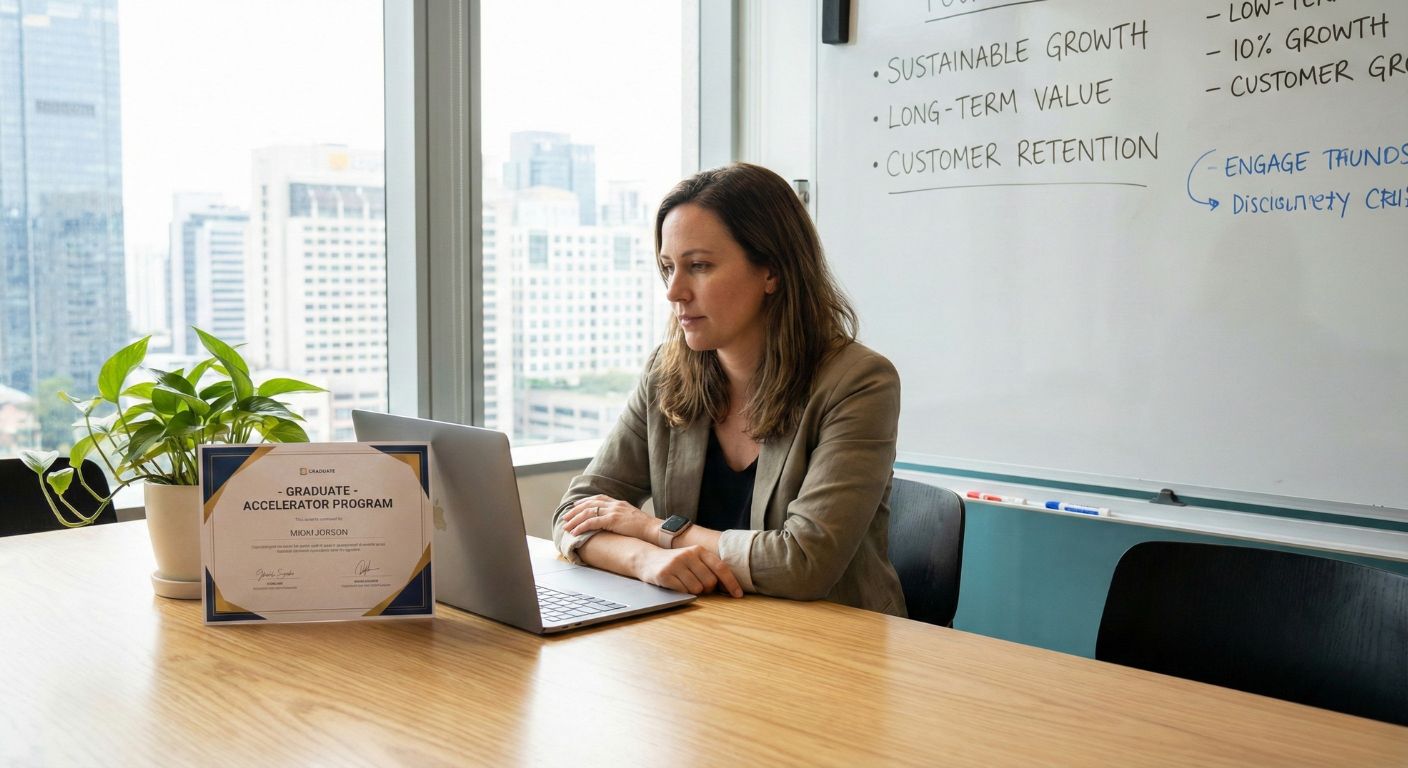
Accelerators might advise you to grow as fast as possible, but when you graduate, the rules of the game are slightly different, and sustainability is given equal importance to speed. You should then analyze your finances to see that you are spending them wisely on your businesses and set practical milestones for yourself. Sustainability will keep you from burning out on your journey to success.
How Should Founders Plan Their Next Stage After a Startup Accelerator Incubator Program?
Graduating from a startup accelerator or incubator gives you clarity on your direction. Whether you plan to raise capital, launch a new product iteration, or enter a new market, define your next steps clearly. Set practical goals for the next six to twelve months and align your team around them. A clear plan helps convert accelerator momentum into measurable progress.
Conclusion
The experience of involvement in the startup incubator and the subsequent experience after the startup is the same. You learn to get access to structure, guidance, expertise, and powerful networking on the inside. After completion of the program, on the outside, there is the implementation of what has been learned, stronger planning and growth with more intention. Looking back at strategy, building relationships, strengthening the team, and staying top of mind helps to move the pace.
Both stages of the experience shape you as a founder. When you approach them with commitment and clarity, your startup has a far greater chance of achieving long-term success.

I’m the Co-Founder of Startup Steroid, where I help founders navigate the challenges of building a startup. From connecting with the right investors and talent to guiding marketing, legal, and MVP development, I work alongside entrepreneurs to provide practical support and clarity, helping them grow their ideas into successful, sustainable businesses.